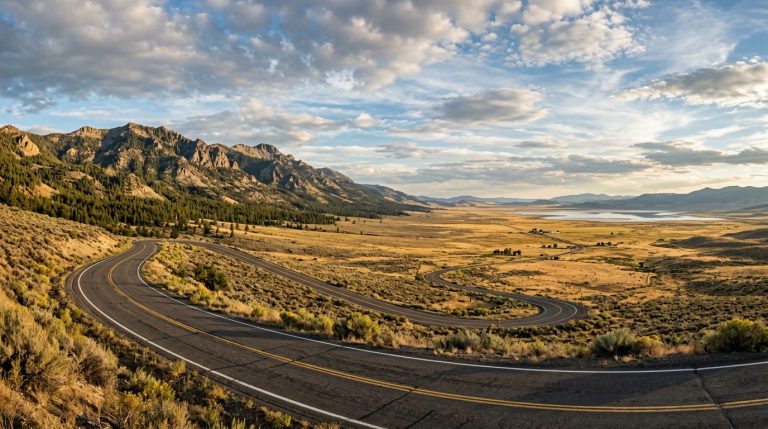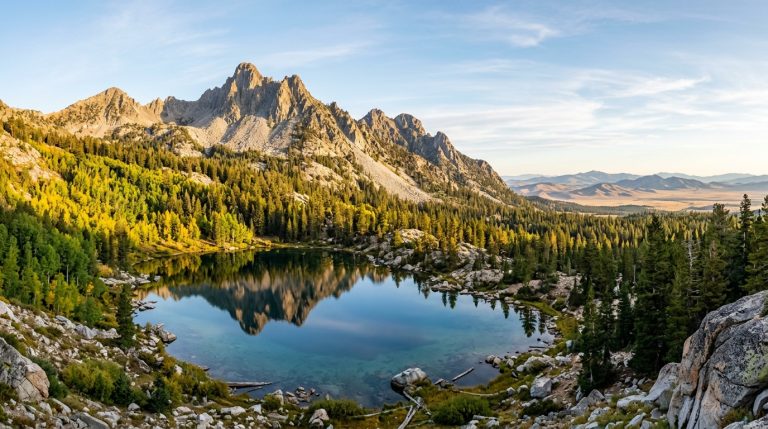
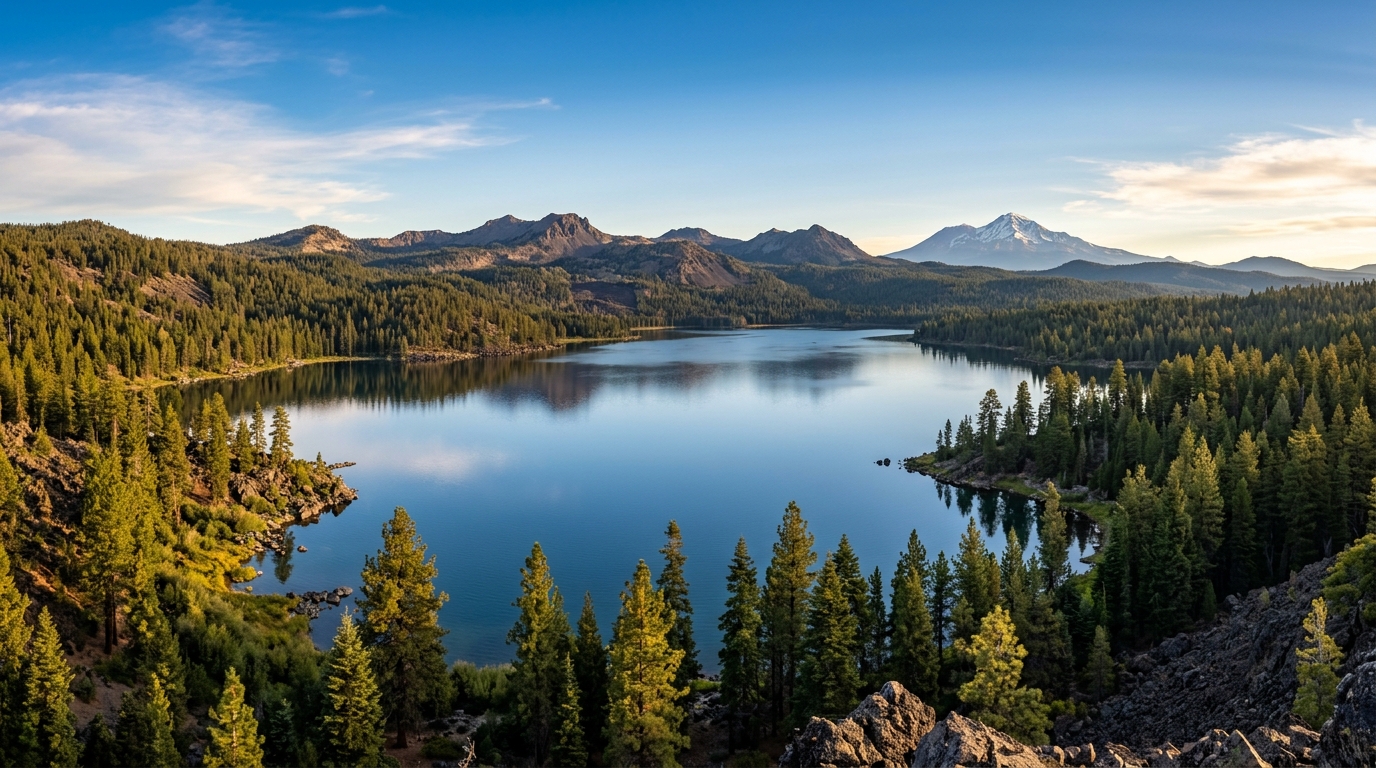
Sáttítla Highlands National Monument protects one of Northern California’s most remarkable volcanic landscapes. Centered on the upper elevations of Medicine Lake Volcano, this remote region contains deep forests, young lava flows, obsidian formations, cinder cones, clear mountain lakes, lava tubes, campgrounds, scenic roads, and exceptionally dark night skies.
The national monument was designated in January 2025 and encompasses 224,676 acres across the Modoc, Klamath, and Shasta-Trinity national forests. Although the designation brought wider attention to the region, Sáttítla is not a newly created developed park with a single entrance, paved visitor complex, or clearly defined sightseeing loop. It remains a large and rugged national-forest landscape where conditions, road surfaces, services, and seasonal access vary considerably.
Medicine Lake is one of the most practical starting points for understanding the monument. The lake sits within the broad summit caldera of Medicine Lake Volcano and provides access to camping, boating, swimming, fishing, trails, volcanic formations, and nearby scenic drives. Visitors can also connect the highlands with Lava Beds National Monument, creating a volcanic road trip through northeastern California.
This guide explains what the national monument designation means, when to visit, what to see, how to build a realistic route, and how to explore a landscape that remains culturally important to Indigenous peoples.
Understanding Sáttítla Highlands National Monument
What the National Monument Designation Means for Visitors
Sáttítla Highlands National Monument is managed by the USDA Forest Service through the Modoc, Klamath, and Shasta-Trinity national forests. Its boundaries include federal forest lands surrounding Medicine Lake Volcano, but they do not turn the region into a conventional national park.
Existing recreation remains part of the landscape. The Forest Service identifies camping, hiking, biking, hunting, scenic driving, canoeing, snowmobiling, and stargazing among the activities available within the monument. Public access will continue where it is compatible with protecting the cultural, historical, geological, biological, and scientific resources identified in the monument proclamation.
The designation itself did not create a general monument entrance fee. Individual campgrounds, reservation systems, developed recreation sites, or special activities may still have separate fees. Travelers should check the page for each campground or recreation site rather than assuming that every location is free.
A monument management plan is expected to guide long-term decisions, including recreation, interpretation, transportation, conservation, and protection of cultural resources. That planning process includes public involvement and consultation with Tribal Nations. Because policies and access details may evolve, visitors should review the official USDA Forest Service Sáttítla Highlands National Monument page before traveling.
Why the Landscape Is Culturally Significant
The name Sáttítla is commonly translated as “obsidian place” in the Ajumawi language. The highlands include ancestral homelands that are sacred to the Pit River Tribe and Modoc Peoples. Other Indigenous peoples throughout the region also maintain deep cultural, spiritual, and historical connections to this landscape.
Medicine Lake, volcanic formations, plants, animals, water, obsidian deposits, and traditional gathering places are not simply tourist attractions. Visitors should avoid treating cultural landscapes as empty wilderness or collecting locations. Photograph natural scenery respectfully, remain on established routes where directed, and never disturb archaeological materials, cultural features, ceremonial areas, or objects that appear historically significant.
Obsidian collection is prohibited throughout the national monument except for authorized Tribal collection for cultural, traditional, and ceremonial purposes. Do not take loose obsidian, pumice, lava fragments, artifacts, or plants as souvenirs. Leaving these resources in place protects both the physical landscape and its cultural meaning.
Medicine Lake Volcano and Its Unusual Geology
Medicine Lake Volcano is a massive shield-shaped volcanic system rather than a single steep cone. The wider Medicine Lake volcanic region covers approximately 850 square miles, while the summit contains a broad caldera roughly 4.3 miles by 7.5 miles. Medicine Lake occupies part of that basin.
The volcano developed through repeated eruptions over approximately half a million years. Its landscape contains basalt flows, rhyolite, pumice, obsidian, lava tubes, cinder cones, spatter cones, craters, and areas where forest survived between younger lava flows.
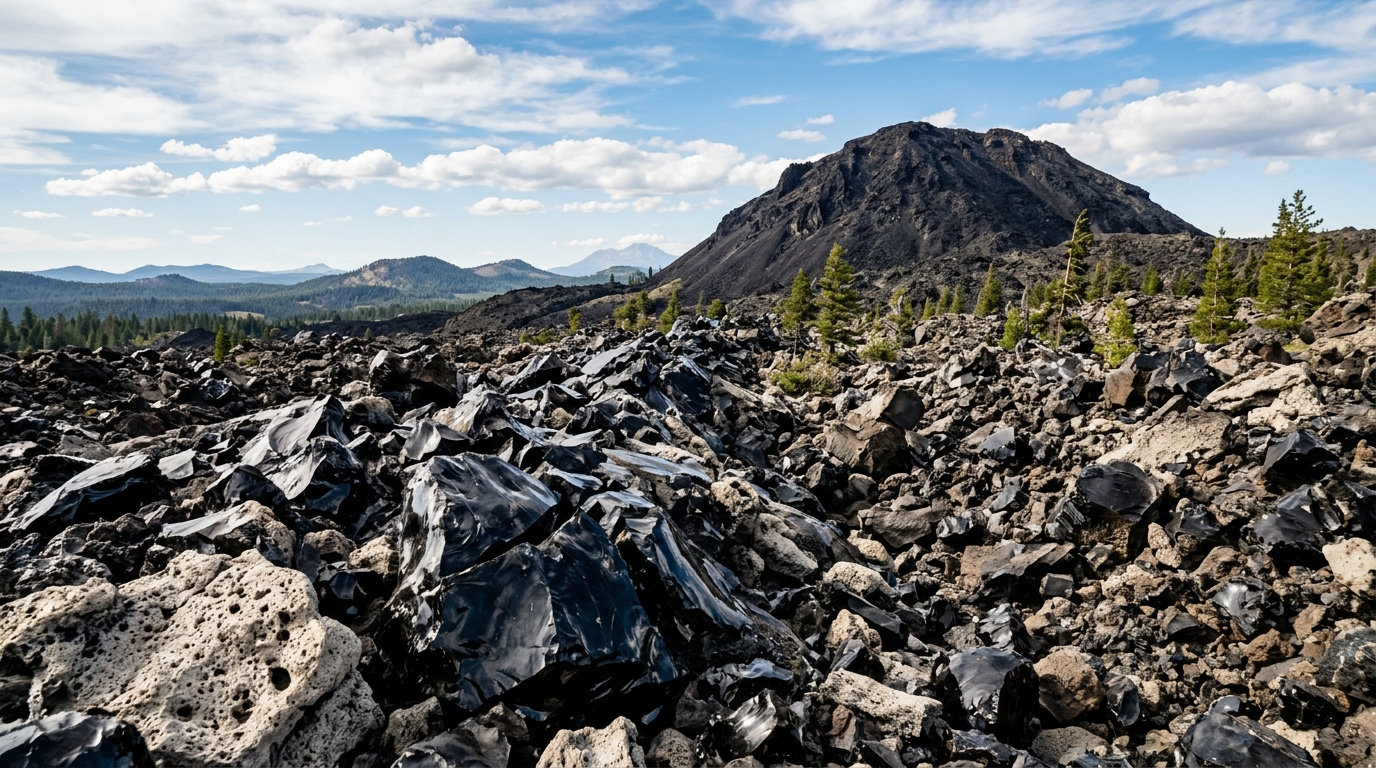
The most recent eruption occurred about 950 years ago and formed Glass Mountain, one of the area’s most recognizable obsidian flows. The volcano is currently dormant, but the U.S. Geological Survey considers it capable of erupting again and continues to monitor it with seismic and ground-deformation instruments.
This does not mean visitors should expect an imminent eruption. It means Medicine Lake is an active volcanic system in geological terms. Travelers interested in the science can read the U.S. Geological Survey Medicine Lake Volcano overview before exploring the region’s volcanic features.
Planning a Responsible Medicine Lake Highlands Trip
Building a Practical One- or Two-Day Route
A useful one-day itinerary begins at Medicine Lake Recreation Area. Spend the morning near the lake, where seasonal activities can include walking, paddling, fishing, swimming, picnicking, or following one of the nearby trails. Stop at information boards and check posted boating, fire, wildlife, and campground rules before beginning an activity.
After lunch, explore one or two nearby volcanic sites rather than trying to reach every feature in the highlands. Possible stops include Medicine Lake Glass Flow, Little Glass Mountain, Burnt Lava Flow, Mount Hoffman, Pumice Crater, or another Forest Service-designated geologic area. Access depends on current road conditions, vehicle suitability, fire restrictions, snow, and seasonal closures.
Glass Mountain and Little Glass Mountain contain exceptionally sharp volcanic glass. Remain on established viewing areas and routes, supervise children carefully, and do not climb unstable obsidian piles. Ordinary sneakers offer limited protection on broken volcanic terrain. Sturdy closed-toe footwear is the better choice.
A two-day trip allows visitors to camp near Medicine Lake and reserve the second day for Lava Beds National Monument or another section of the highlands. This is more realistic than trying to combine Medicine Lake, multiple obsidian flows, extensive hiking, cave exploration, and a long return drive in one day.
Travelers planning a larger journey can connect this route with the site’s Modoc County volcanic landscapes guide, places to visit in Modoc County, and weekend itineraries. Check each driving segment independently because nearby points on a map may be separated by slow forest roads.
Best Time to Visit and Seasonal Access
Summer through early fall is generally the most practical period for visiting Medicine Lake by road. The Medicine Lake Recreation Area traditionally operates from around July through October, but opening and closing dates depend on snow, road access, staffing, water systems, wildfire conditions, and weather.
Do not assume that a warm day in Alturas, Tulelake, McCloud, or another lower-elevation community means the highlands are fully accessible. Medicine Lake Recreation Area is approximately 6,770 feet above sea level, and snow can remain in the surrounding forest after lower roads and valleys have become dry.
Check conditions through all relevant national forests because the national monument crosses three forest jurisdictions. A road may begin in one forest and continue into another area with different alerts or maintenance information. Download maps before leaving reliable service, carry a paper backup, and avoid depending entirely on live navigation.
Begin with a full tank of fuel and bring drinking water, food, warm layers, sun protection, a first-aid kit, and basic roadside supplies. Cell service may be unreliable. Tell someone outside your group where you are going and when you plan to return.
Camping, Fire Safety, and Stargazing
Medicine Lake Recreation Area includes several developed campgrounds with a mixture of reservable and first-come sites. Facilities and water availability can change, so verify the specific campground before departure. Some nearby campgrounds or dispersed sites provide fewer services and may have no potable water, trash collection, or reliable access for large recreational vehicles.
Wildfire restrictions deserve special attention. Rules for campfires, charcoal, cooking equipment, smoking, and dispersed camping may change during the season. A fire ring at a campsite does not automatically mean a wood fire is currently allowed. Check current restrictions and never leave a permitted fire unattended.
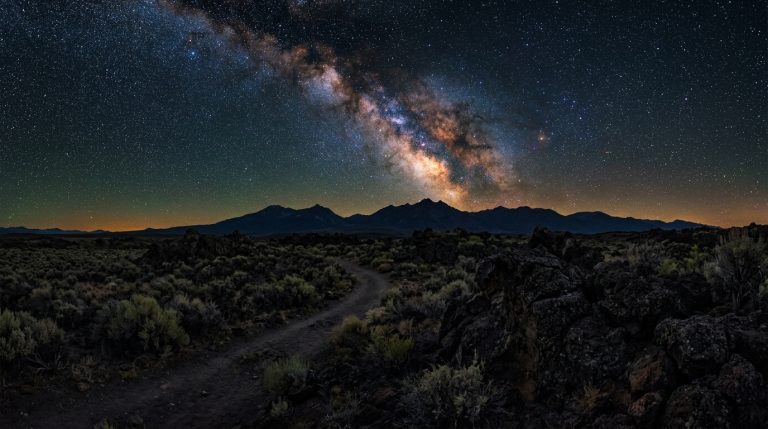
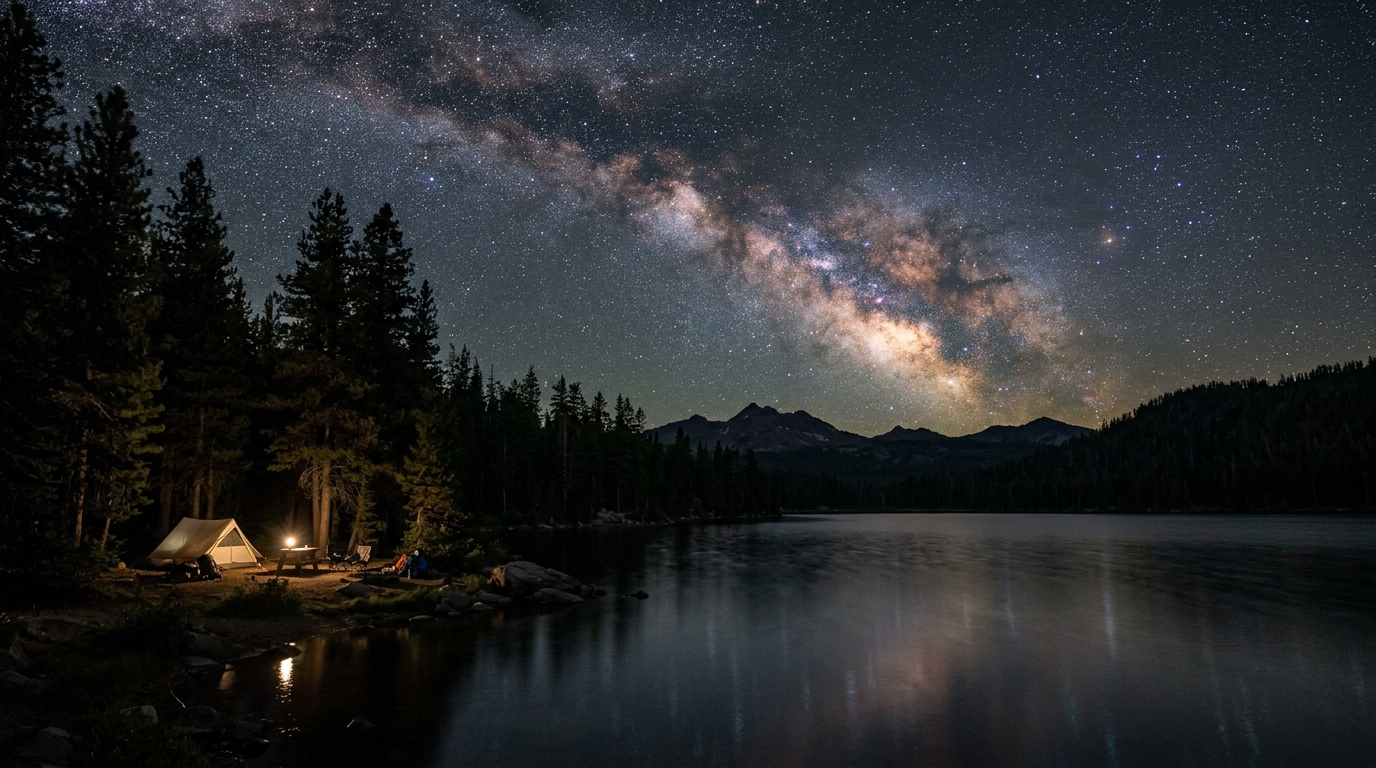
The highlands’ dark skies make camping especially rewarding. On a clear, moonless night, visitors may see dense star fields, the Milky Way, planets, meteors, and distant galaxies that are difficult to observe near cities. Choose an established parking or camping area instead of stopping on an unlit roadway.
Reduce unnecessary lighting, use a red-light setting when possible, and avoid shining bright flashlights toward other campsites. Nights can become cold even after a warm afternoon, so pack insulated clothing and sleeping equipment appropriate for high elevation.
Responsible travel in Sáttítla requires restraint. Do not create new vehicle tracks, collect obsidian, enter unverified lava tubes, damage vegetation, approach wildlife, or publish the precise locations of sensitive cultural resources. Pack out trash and leave campsites cleaner than you found them.
Sáttítla Highlands National Monument is compelling because it has not been transformed into a heavily developed attraction. Its value comes from the scale of the volcanic landscape, its living Indigenous significance, its forests and waters, and the sense of distance between destinations. Prepare carefully, choose fewer stops, verify current conditions, and give the highlands the time and respect they deserve.