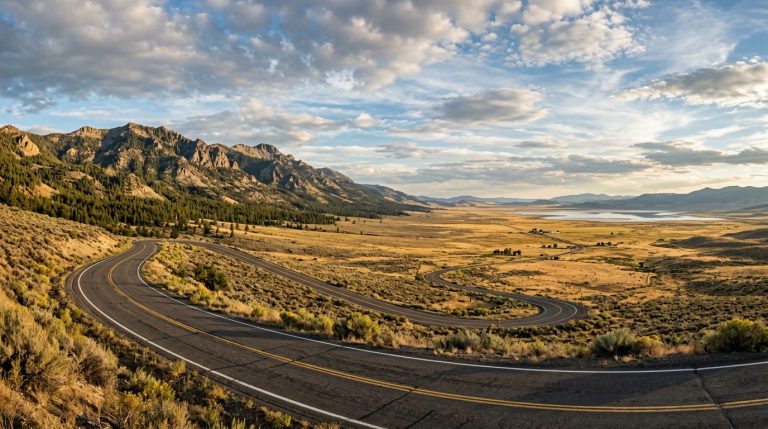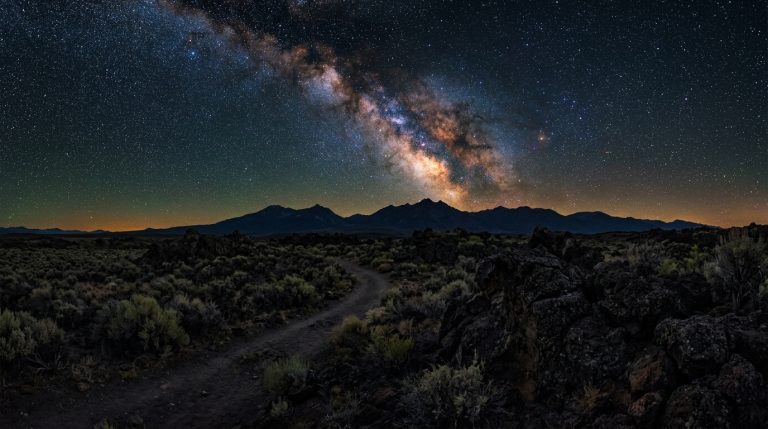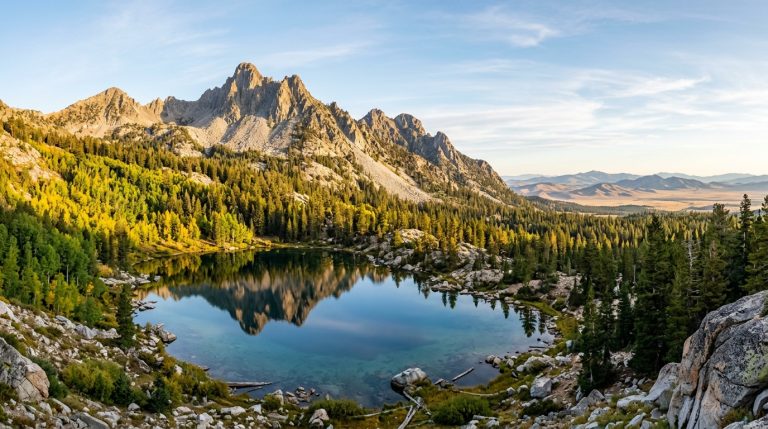
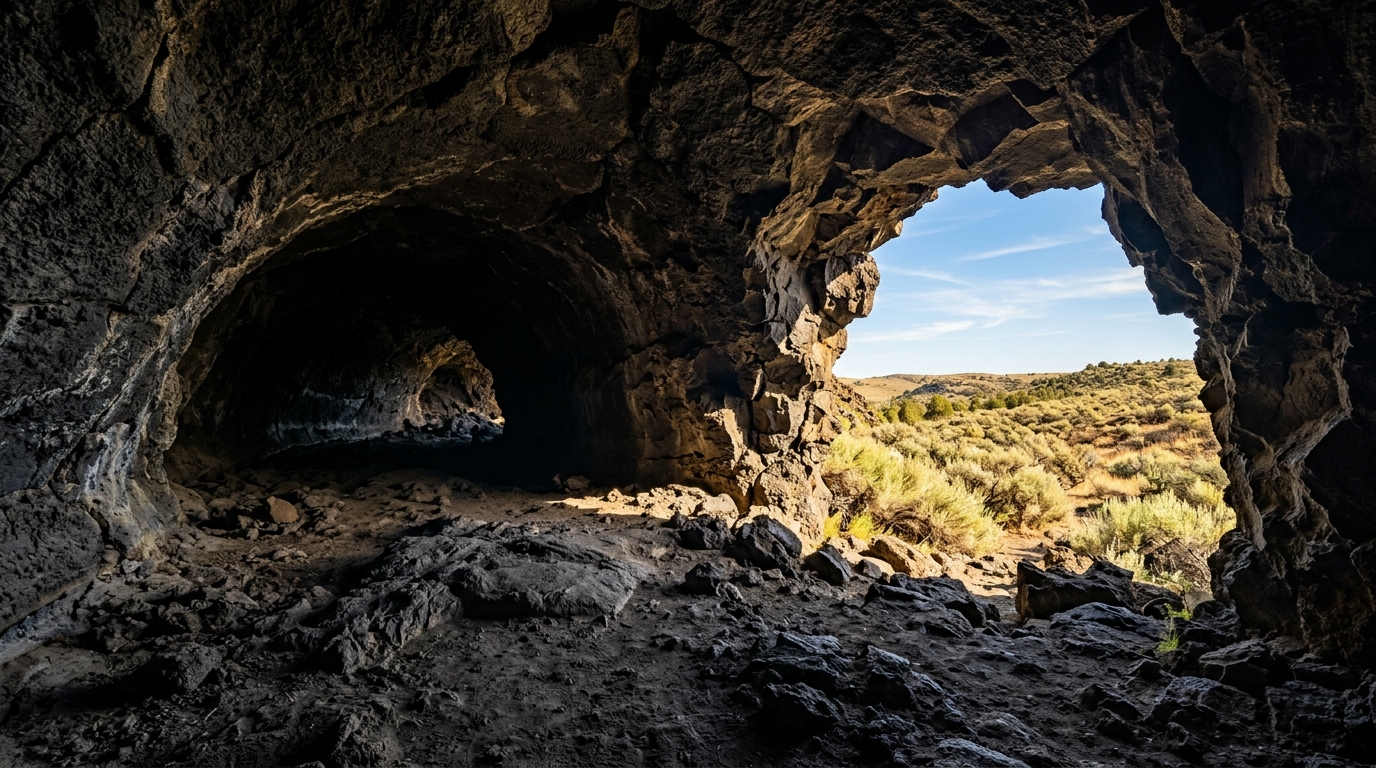
Lava Beds National Monument cave guide is one of northeastern California’s most unusual outdoor destinations. Beneath its open sagebrush landscape is a network of lava-tube caves formed by repeated eruptions of Medicine Lake Volcano. The result is a place where travelers can spend the morning walking across black volcanic terrain and the afternoon exploring underground passages that range from short, easy routes to demanding crawls.
According to the U.S. Geological Survey’s Lava Beds overview, the monument sits on the north slope of Medicine Lake shield volcano and contains the highest concentration of lava-tube caves in North America, with as many as 500 known caves inside its boundaries. Only a portion are developed or appropriate for casual exploration. That contrast is important: the monument may look like a giant cave playground, but most visitors should focus on the routes identified and managed for public use rather than searching for obscure openings.
A successful visit requires more preparation than a typical roadside attraction. Cave temperatures stay cool, surfaces can be sharp, ceilings may be low, and some caves close temporarily to protect wildlife or address safety concerns. This guide explains how to choose suitable caves, organize a realistic day, prepare the right equipment, and connect Lava Beds with other places to visit in Modoc County.
Planning Your Cave Day at Lava Beds
What Makes the Lava Beds Cave System Different
Lava-tube caves form when the surface of a lava flow cools and hardens while molten lava continues moving underneath. When the flow drains away, it can leave a hollow passage. At Lava Beds, these passages vary widely. Some are broad enough to walk through comfortably, while others contain breakdown piles, tight sections, uneven floors, and low ceilings.
The landscape is also culturally and historically significant. Visitors may encounter sites connected to Indigenous history, the Modoc War, volcanic geology, wildlife habitat, and early settlement. Treat the caves and surrounding terrain as protected resources rather than an adventure playground. Do not remove rocks, touch cultural materials, mark cave walls, or enter closed areas.
Before leaving your accommodation, open the official Lava Beds National Monument alerts and conditions page. Cave access can change because of bat protection, rockfall, maintenance, fire impacts, weather, or other management needs. A cave recommended in an older article or video may not be open during your trip.
Current Closures and Alerts to Check
As of the National Park Service update dated June 24, 2026, Balcony, Blue Grotto, Natural Bridge, Ovis, Paradise Alleys, and Thunderbolt caves were listed as closed. That list can change, so do not build an itinerary from this article alone. Check the current NPS page shortly before departure and again when you arrive.
Also confirm visitor-center hours, road conditions, wildfire information, and any restrictions affecting Cave Loop Road. Download essential information before entering the monument because cellular service may be limited. Tell someone outside your group where you plan to go and when you expect to return.
Choosing Caves That Match Your Experience
Do not choose a cave only because it looks dramatic online. Start with the park’s current cave descriptions and difficulty guidance. A short passage can still feel challenging when it includes darkness, sharp lava, unstable footing, or a ceiling that forces you to crouch. Children, people with limited mobility, and visitors uncomfortable in enclosed spaces may need a different plan.
First-time visitors should begin with an easier cave near the visitor center or Cave Loop Road. This allows the group to test headlamps, clothing, balance, and comfort underground before attempting a longer route. If anyone feels anxious, cold, disoriented, or physically strained, turn around early. The goal is not to complete the most caves; it is to explore safely and leave enough energy for the rest of the monument.
What to Pack for Lava-Tube Exploration
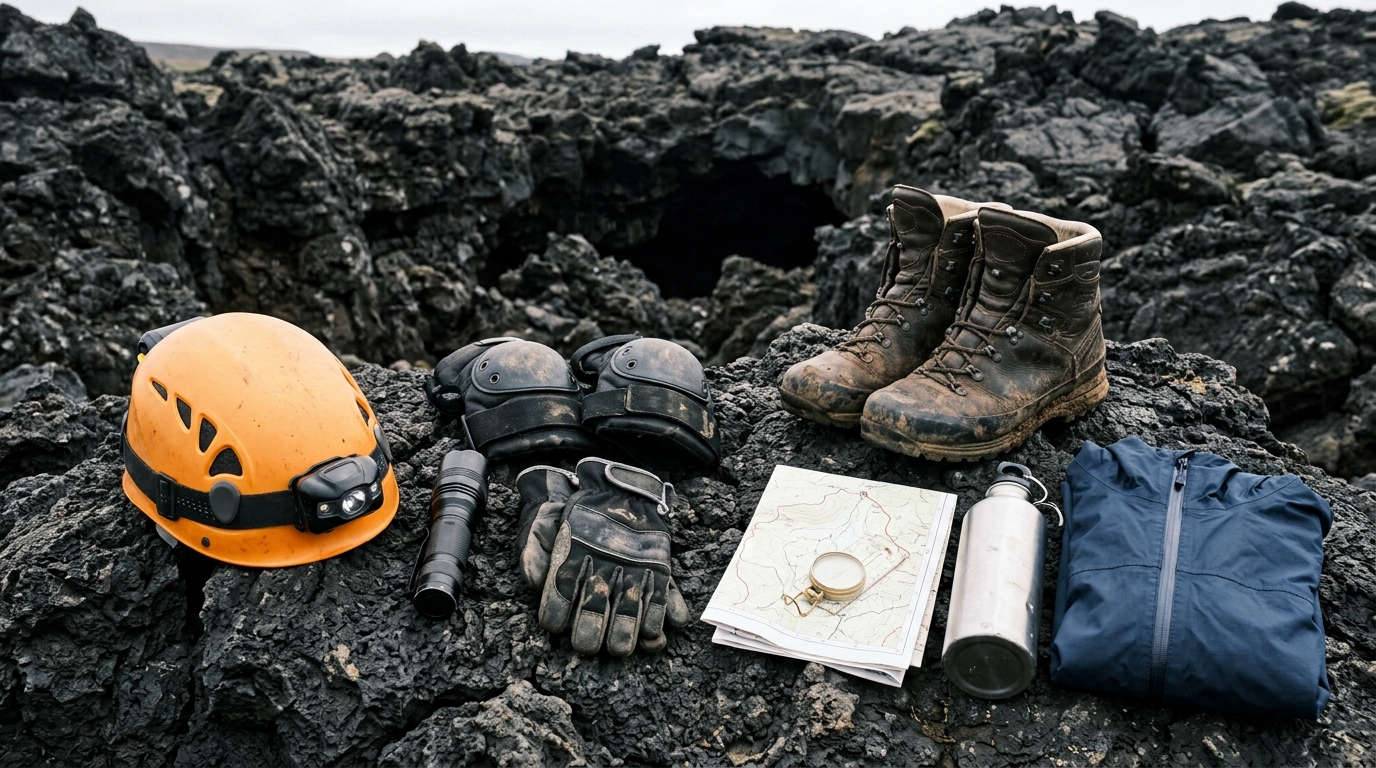
Each person should carry a dependable headlamp and a backup light. A phone flashlight is not an adequate primary light because batteries drain quickly, screens break, and phones are easy to drop. Wear a helmet where recommended, along with sturdy closed-toe shoes, long pants, and layers that can handle cool underground temperatures. Gloves and knee protection are useful for caves with rough surfaces or crawling sections.
Carry drinking water, snacks, sun protection, a basic first-aid kit, and a paper or offline map. Outside the caves, the high-desert environment can be hot, windy, dry, and exposed. Pack for both underground cold and surface heat. Keep food secured, carry out every piece of trash, and avoid leaving equipment at cave entrances where it could obstruct other visitors.
How to Explore Responsibly and Safely
A Practical One-Day Lava Beds Itinerary
Begin early at the visitor center area. Review current closures, ask staff which caves fit your group, and complete any required bat-screening procedure. Use the first part of the morning for an introductory cave. Move slowly, stay together, and establish a turnaround time before entering.
After the first cave, take a surface break. Drink water, check for damaged equipment, and reassess the group. A second cave should be selected based on how everyone handled the first—not on the original plan. If the group is comfortable, choose a moderately longer route. If not, switch to surface attractions, viewpoints, trails, or historical sites.
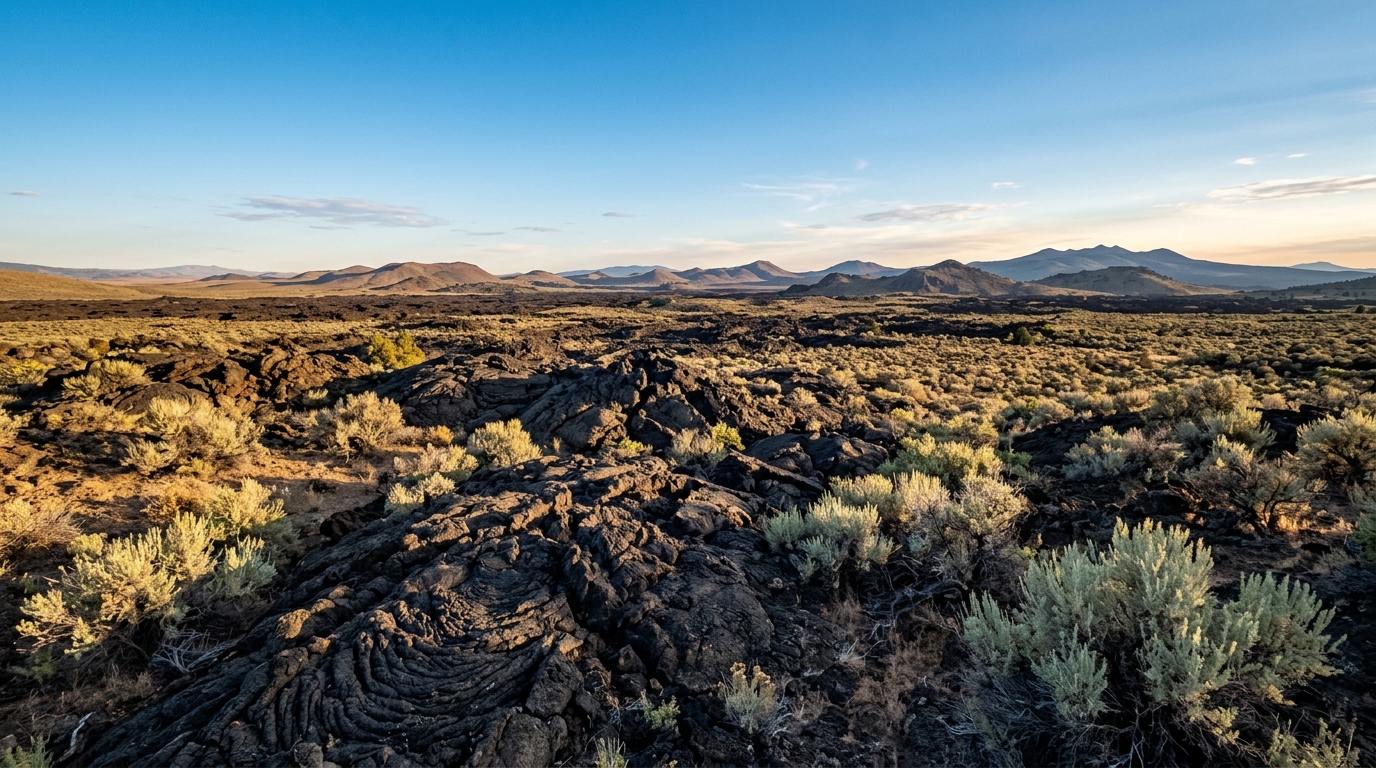
Use the middle of the day for lunch and above-ground exploration. The volcanic landscape is part of the experience, not empty space between caves. Look for lava features, native plants, expansive views, and interpretive stops. In the afternoon, visit one final short cave or focus on historical areas before beginning the drive back well before dark.
Plan transportation conservatively. The monument is remote, and a cave day can take longer than expected once orientation, gear checks, rest breaks, and surface stops are included. Begin with a full fuel tank, carry more water than you expect to use, and avoid committing to a long evening drive after several hours underground. Fatigue affects balance and judgment, especially on rough volcanic surfaces.
Travelers building a longer regional itinerary can combine the monument with the volcanic landscapes of northeastern California, the Medicine Lake Highlands, or a night in Alturas using the site’s Modoc County trip-planning guide. Avoid packing too many distant attractions into one day. Driving times are longer than the map may suggest, and fuel, food, and evening services can be limited.
Protecting Bats and Preventing White-Nose Syndrome
White-nose syndrome is a serious disease affecting hibernating bats. Visitors can unintentionally move fungal spores between caves on footwear, clothing, and equipment. Follow every park screening and decontamination instruction. Be ready to answer questions about caves or mines you have previously entered, and never ignore a restriction because your gear appears clean.
Do not disturb bats, shine lights directly at them for extended periods, make unnecessary noise, or approach roosting animals. If a cave is closed for wildlife protection, stay out. Responsible behavior helps keep more caves available for future visitors and reduces stress on animals using a fragile underground environment.
Photography, Group Safety, and Leave No Trace
Cave photography should never compromise safety. Stop in a stable location before taking photos, keep passageways clear, and avoid walking while looking at a screen. Flash and bright video lights can affect other visitors and wildlife. Ask before photographing people outside your group, especially at sensitive cultural or memorial locations.
Keep the group within voice range and use a clear rule that no one passes an intersection alone. Count participants when entering and leaving. Never rely on arrows made from rocks or unofficial markings for navigation. If the route becomes confusing, retrace your known path instead of pushing deeper into unfamiliar passages.
Leave every cave exactly as you found it. Do not stack rocks, collect lava fragments, leave notes, scratch names, or place objects for social-media photos. Stay on durable surfaces outside whenever practical and respect closures around restoration areas. The National Park Service’s official materials should remain your primary source for rules, cave conditions, and safety updates.
Lava Beds rewards careful travelers. With realistic expectations, reliable lighting, warm layers, current information, and respect for protected resources, a cave day can become the centerpiece of a wider Modoc County road trip. Plan fewer stops, explore them well, and leave enough flexibility to change course when conditions or group comfort require it.